

What is BlueHub?
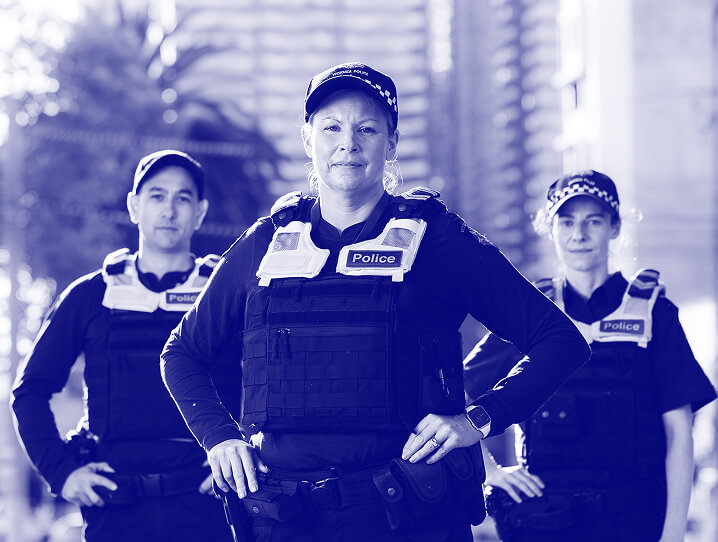
BlueHub is a specialised mental health service developed by TPAV, in partnership with independent experts in treating trauma-related injuries. It’s designed to provide timely, expert, psychological assessment and treatment for work-related trauma and PTSD, specifically for current Victoria Police and Victorian-based AFP members.
We recognise the unique challenges that come with a career in policing. That’s why BlueHub offers a dedicated and streamlined pathway to care—connecting you with professionals who truly understand the unique demands of your role. Our clinicians have extensive experience working with police and emergency services and offer evidence-based, confidential care tailored to your needs.
Whether you're just beginning to notice the effects of trauma or have been managing symptoms for some time, BlueHub is here to support you—respectfully, compassionately, and effectively. You can feel confident in knowing that you will be receiving the best possible care. BlueHub is the first program of its kind, created specifically for police affected by work-related trauma, and has received national and international recognition.
Reaching out for support is a sign of strength. When you’re ready, BlueHub is here to help.
Common signs
Many police and PSO members experience trauma-related mental health difficulties, including post-traumatic stress disorder (PTSD) but don’t seek treatment. It may be that symptoms aren’t recognised, being unsure of what treatments are available or because of stigma.
As a member, you deal with emotionally tough situations, including potentially traumatic events. There are many common reactions to trauma. Symptoms may persist for a long time or may not improve on their own. People living with PTSD often experience intense fear or panic that mirrors the emotions they felt during the original traumatic event.
There are effective treatments that work. Seeking professional support early helps to reduce the risk of long-term impacts. Feeling off, irritable, or just not yourself is reason enough to reach out. No issue is too small.
Signs & symptoms
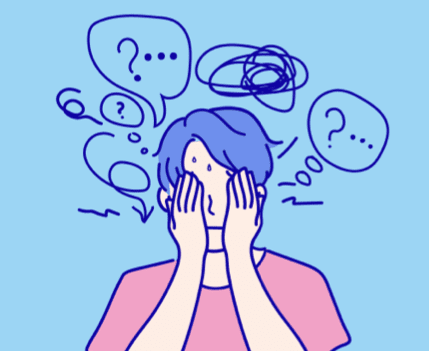
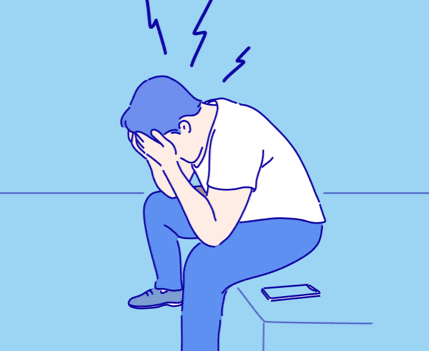
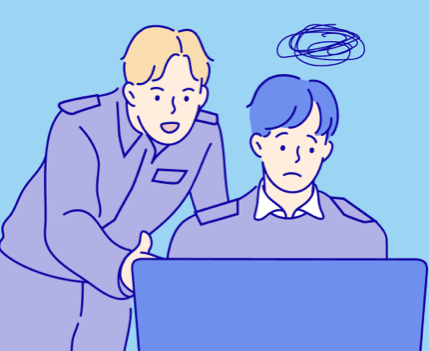
If the following symptoms persist, you may benefit from contacting us.


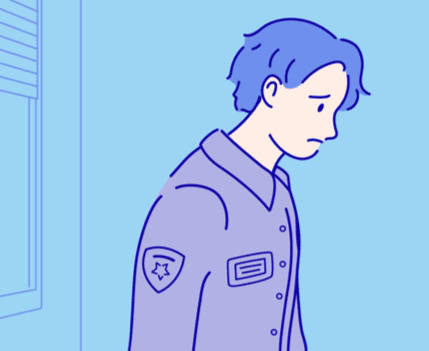
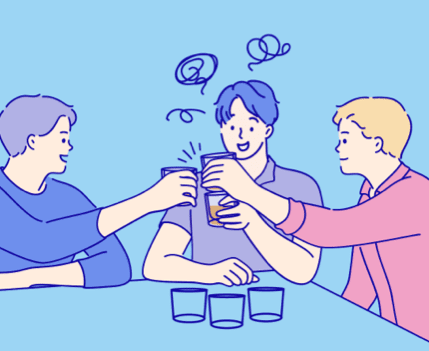
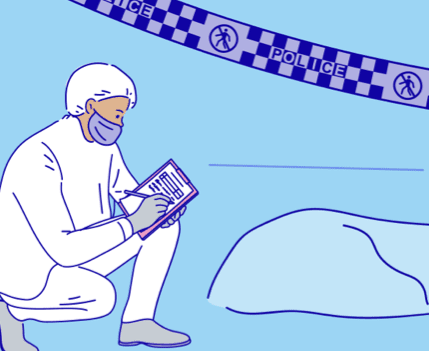
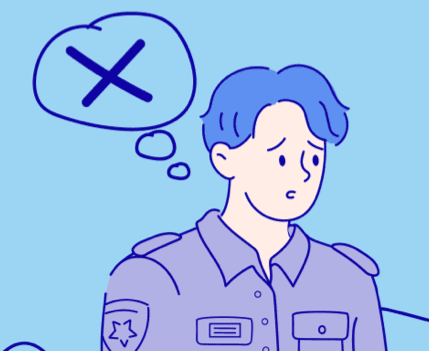
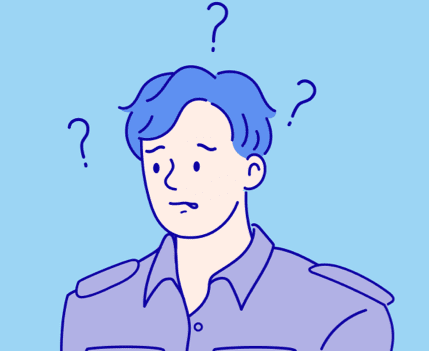
What to do next
Whilst experiencing the listed symptoms can be typical in the following days following a traumatic event, if symptoms continue for more than four weeks, it would be encouraged that you reach out for some additional support.
It’s okay to ask for help if you’re not feeling yourself. Talking about trauma is the best way to start leaving it behind and moving on.
Please submit an enquiry, if you would like to talk to one of our expert trauma clinicians.

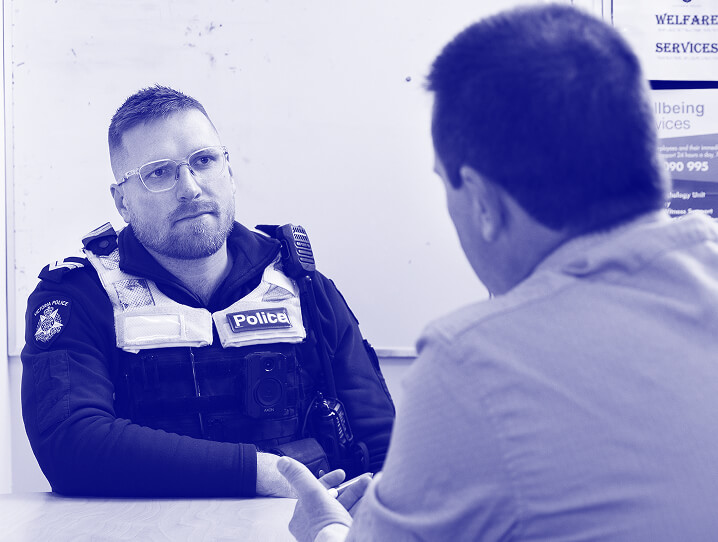
What if I need other support?
If you feel like you need different mental health support for other work and life stressors, there are many options available to you.
Please visit our Other support services page for more information about what services and supports you can access, or view our Self-help tools page for some useful tips to help manage your own mental health.
And if you're not sure, submit an enquiry and one of the team will give you a call to discuss.
Don’t wait until you break
It’s okay to ask for help if you’re not feeling yourself. Talking to our expert trauma clinicians will help you to recover sooner, or re-enter life feeling stronger.